
Lessons from Abraham #4

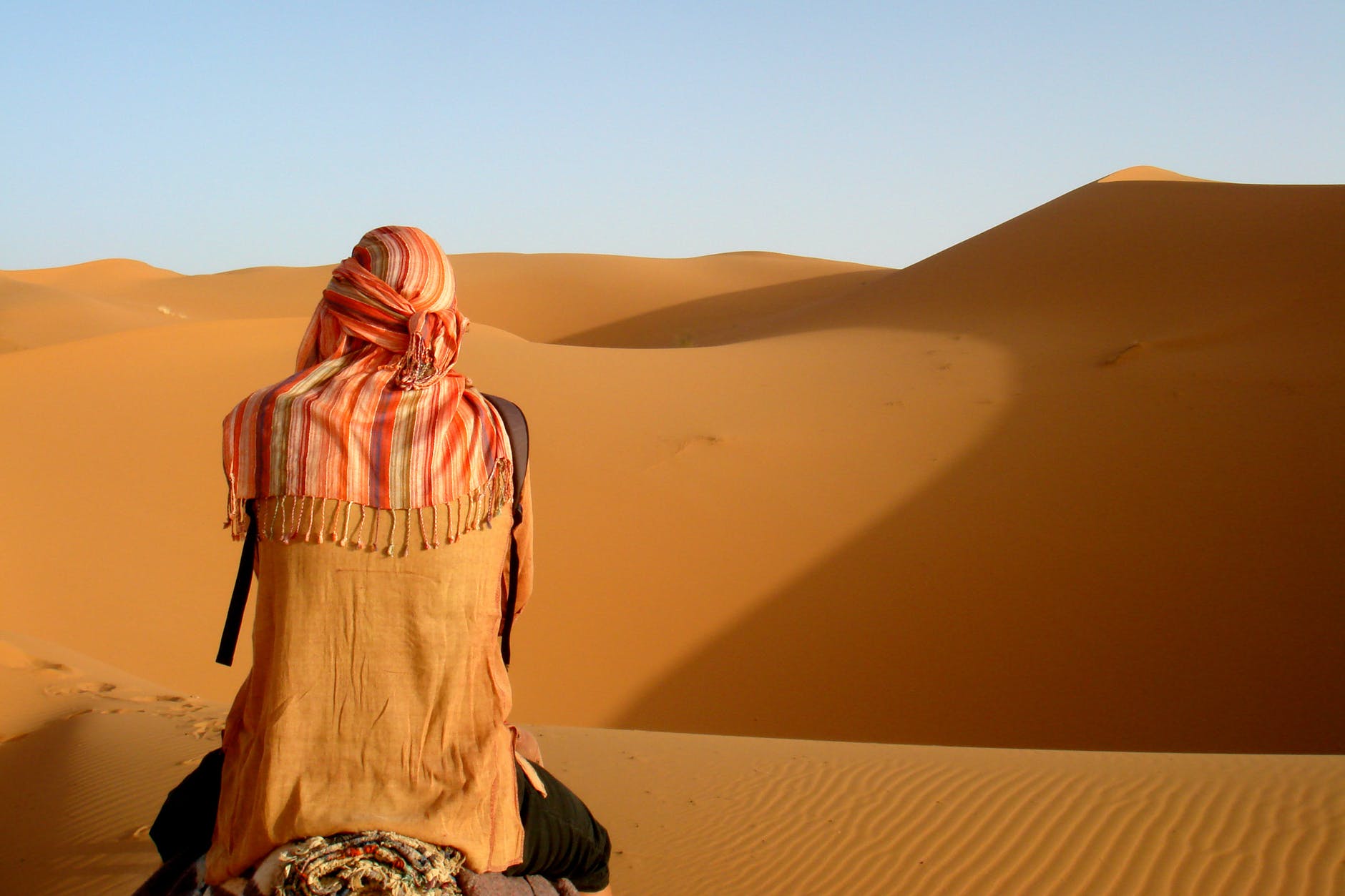
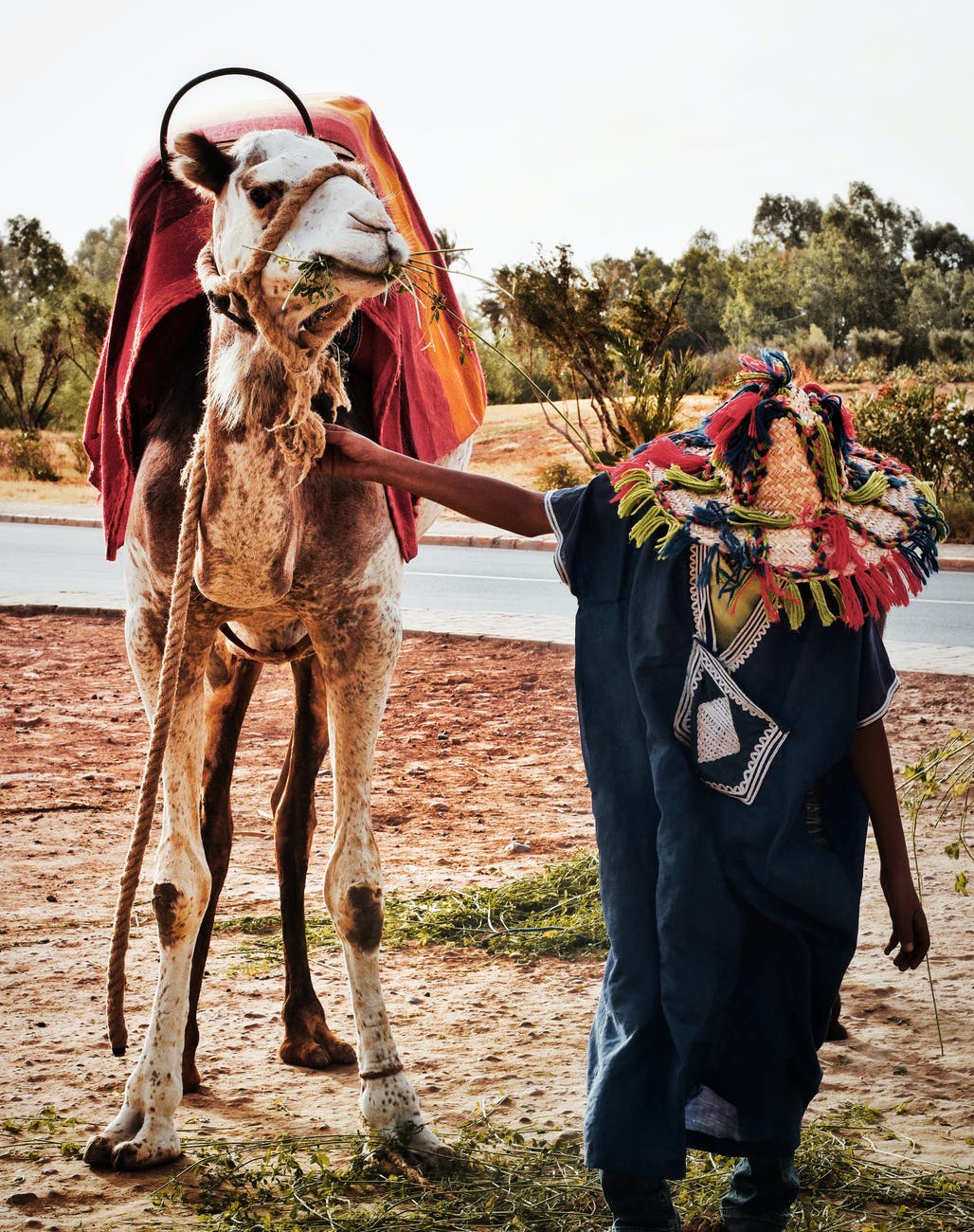
In the previous post, we noted that moving Abram’s family to Canaan must have been a slow process, considering that they moved on foot or on the backs of animals such as camels. What’s more, they had a huge number of servants, flocks and herds, and possessions to carry. We also noted that Abram’s family lived in tents—not what we know of today as small and cramped camping tents, but huge, multi-roomed tents much like the Bedouin tents today. And, once they were ready to settle in the promised land, Abram gave Lot first choice of where to dwell, while he and his family went in the opposite direction. We saw that Lot sought to place his family in an area of physical beauty and pleasure, while Abram sought to place his family in a right relationship with God, and it made all the difference.

Considering the characters of both Lot and Abram, we can only wonder what shaped them. What events in Lot’s life led him to become so shallow and focused on earthly pleasure? And, on the other hand, what led Abram to become a man so focused on God that he would offer his shallow nephew first choice of dwelling areas and then locate his family elsewhere? Do such events in our lives shape us?

Most definitely the events in our lives shape us and mold us into who we are, and God has a part in that. While we have free choice about how we live our lives, God is working in and through our life experiences, and using them to mold us. Romans 8:28 tells us: “We know that in all things God works for the good of those who love Him, who have been called according to His purpose.”  That is, God uses all of the experiences we have, both good and bad, for His purposes to form us as believers, to mold and shape those who love Him. Even our sins can be used to bring about God’s plans in our lives. Consider David and his grievous sin with Bathsheba. Even though he repented of his sin, he and Bathsheba suffered for it, ultimately losing their son, who died shortly after birth. In addition, three other sons of David died untimely deaths. But, David and Bathsheba’s next son became Solomon, who built the magnificent temple of the Lord in Jerusalem and became known as the wisest man who ever lived, and heir to the throne. Almighty God used the unfortunate circumstances of David’s sin to not only shape David’s character but also to be a blessing to many. Only God could turn our “mess into a message,” to quote Rick Warren.

“My brethren, count it all joy when ye fall into divers temptations; knowing this, that the trying of your faith worketh patience. But let patience have her perfect work, that ye may be perfect and entire, wanting nothing” (James 1:2–4).

What about those troubles that are not caused by our own sin? Adversity can come through accidents, through the sin of others, and through circumstances beyond our control because we live in a fallen world. God can use all of those circumstances to shape us. Paul wrote to the Corinthians: “Therefore I take pleasure in infirmities, in reproaches, in necessities, in persecutions, in distresses for Christ’s sake: for when I am weak, then am I strong” (II Corinthians 12:

10). Paul certainly experienced his share of adversity, but God used it all to make both Paul and his testimony strong, for the benefit of others.

While we don’t know a lot of details about Abram’s life before God called him to Canaan, we do know that he lost his brother to an early death. Abram’s brother, Haran, died before both his father and Abraham died, and before Abram’s family moved to Canaan. While no ages are given here, we do sense that Abram took some responsibility for his nephew Lot. When Lot was captured by a band or marauders, Abram gathered an army and went after them to rescue Lot. Genesis 14:14-16 recounts the events. “And when Abram heard that his brother was taken captive, he armed his trained servants, born in his own house, three hundred and eighteen, and pursued them unto Dan. And he divided himself against them, he and his servants, by night, and smote them, and pursued them nto Hobah, which is on the left hand of Damascus. And he brought back all the goods, and also brought again his brother Lot, and his goods, and the women also, and the people.”

It seems that as long as Lot was under Abram’s care, he did well, but once he was on his own, he made some poor choices. He went after what looked lovely to his eyes, blending in with the ways of Sodom, and then he was captured. Sound familiar? We’ve all been there—everyone has made some poor choices and tried to blend in with the world. The key is what you do afterwards. Do you repent and seek God, or do you continue after worldly pleasures? I Tim 5:6 warns: “But she who gives herself to wanton pleasure is dead even while she lives.”

No one but God knows when his time on earth will end. God has appointed the number of our days (Ps 139:16). Make sure to use them wisely, for death comes to all, and some sooner than others. Death, particularly an untimely death of a loved one can change things. The wise will consider their steps and prepare their hearts to meet their Maker.

Abraham lost his brother before he lost his father. Lesson 4: Death may change the lives of the living long before it is expected. Be prepared.
Lessons from Abraham #2

But what do we know about Abraham’s life before God called him to Canaan?

In the previous post, we noted that Abraham lived a remarkable life and that much of the book of Genesis was devoted to detailing the events of that remarkable life, preserving his shortcomings and successes, trials and tribulations for all to examine and learn from, if we will. And the post concluded that it is important to pass down our faith to the next generation for we don’t know what God has planned for them. Abraham did pass down his faith to Isaac; and Isaac, in turn, passed it down to his twelve sons, and so God blessed them, as we will see in the lives of future generations of Abraham’s family.

But what do we know about Abraham’s life before God called him to Canaan?

In general, we know that Abraham was born and raised in a pagan culture. His homeland was Ur of the Chaldeans. The city of Ur was situated in what was once Mesopotamia, which is in the area of the present-day Iraq, Kuwait, and parts of Iran, Syria, and Turkey. The region of Ur was over one hundred miles to the southeast of Babylon, or Babel, known for the infamous tower that resulted in the division of the nations after the flood.

What do we know about Abraham’s early life in Ur? First, we know that his name then was Abram. This is interesting, because Abram was childless at this time, but his name meant, “exalted father.” Having such a name must have been an embarrassment to him, as names were key to establishing a man’s identity, and having a male heir was important to men in Abram’s society.

Second, we know that Ur was a large, prosperous city. Archeological digs have revealed a huge library of clay tablets in Ur, which is a significant find—one that proves that men knew how to read and write long before Abram’s time.  Ur was also a city of idolatry. Joshua 24:14-15 says, “Now fear the Lord and serve Him with all faithfulness. Throw away the gods your ancestors worshipped beyond the Euphrates River and in Egypt and serve the Lord.  But if serving the Lord seems undesirable to you, then choose for yourselves this day whom you will serve, whether the gods your ancestors served beyond the Euphrates, or the gods of the Amorites, in whose land you are living…” The Euphrates River was one of the major rivers in Chaldea, and the Chaldean people were known for their worship of astrology.

Third, we know that Abram’s wife was Sarai, his half-sister, born to his father by a woman other than Abram’s mother. (Genesis 20:12 explains this situation further: “Besides, she is indeed my sister, the daughter of my father though not the daughter of my mother, and she became my wife.”) One of Abram’s brothers, Nahor, married his niece, Milcah, who was the daughter of his other brother, Haran. Haran was also the father of Lot. (Genesis 11:29). Obviously, marrying close relatives was neither forbidden nor a genetic problem at this point in history.

Fourth, we know that Abram’s father, Terah, moved his family from Ur to Haran. Genesis 12:4 tells us that Abraham was 75 years old at this time. No details are given as to why they moved, although we do know that Haran had died. Perhaps the city of Haran was named after him, or he was named after the city. Nevertheless, Haran died before his father and brothers, and left a son behind. Some time after that, Terah died as well, having lived two hundred and five years.  As mentioned in the previous post, since the time of the flood, the average age of people was in decline at this point. Although Noah lived 950 years, his sons’ lives were shorter, and generations to follow were shorter still. Abraham, in fact, only lived 175 years.

Photo by Isa Sebastiu00e3o on Pexels.com

God called Abraham out of this lifestyle and away from this people to live in a new land, Canaan, and begin a new nation of people. “Get thee out of thy country, and from thy kindred, and from thy father’s house, unto a land that I will shew thee: and I will make of thee a great nation; and I will bless thee, and make thy name great; and thou shalt be a blessing.” Genesis 12: 1-2

Abraham’s name did become great and he did become a blessing for future generations of his family. So, there is an important lesson here in Abraham’s past: Lesson 2: your background doesn’t determine your future.

Lessons from Abraham

The Biblical hero, Abraham, from Ur of the Chaldees, lived a long and remarkable life. Perhaps that’s why so much of Genesis is devoted to both his shortcomings and his successes. The trials and tribulations Abraham experienced have much to teach us, particularly if we study his life with a goal of learning from it.

Moses was meticulous in compiling the Genesis record, and Chapters 11-25 focus on Abraham’s actions and decisions in great detail, compared with the majority of the individuals whose lives are included in the 66 books of the Bible. God inspired these details to be preserved for many reasons, including the covenant of the promised heir, the covenant of circumcision, the sacrificial test, the promised land, blessings for obedience, and more.

Although I have read and studied the life of Abraham in the past, I spent some time this year to consider why he was chosen by God and why the events of his remarkable life still resound with us today. I asked God to reveal to me what Abraham’s history has to teach me about faith, trust, and obedience. The results of this intensive study became “12 lessons from Abraham.” It is my pleasure to share these lessons with you. Would you humbly pray that God would open your heart and mind as you also read and study the Bible and this guide so that you can see what God has to teach you through his faithful servant, Abraham?

Prayer

Father God, You are holy and righteous. There is no other God but You. Thank you for hearing my prayer. Thank you, too, for your Word. Your word is true and living and is preserved for us to study so that your people can know You.

As You guided your servant Abraham, please guide and direct my heart, mind, and soul to focus on what you have to teach me. May I learn to be obedient from the life of Abraham.  May I learn to trust you fully so that I can obey all that you would require of me. May I grow in my faith each day as I study Your Word. May I hide Your Word in my heart so that I might not sin against You.

Help me to glorify You in all I do. These things I humbly pray in the Holy name of Jesus, my Lord and Savior. Amen.

Photo by Adam B. on Pexels.com

Abraham’s Family Tree

Abraham descended from Shem, who was the middle son of Noah’s three sons. (Genesis refers to Japheth as “the elder” in Gen 10:21, and Ham as the youngest in Gen 9:24). According to the Genesis account of the flood, none of Noah’s sons’ wives bore children until after the flood. We have no explanation for this detail, but I would speculate that (1) due to the increasingly violent society, the sons didn’t marry until later, or (2) building the ark was so all-encompassing that they had little time for their wives and starting a family, or (3) God ordained it. All three of these suggestions as a group might explain this phenomenon, but most particularly that God ordained it. If Noah had been gathering supplies to build and furnish the ark, there may not have been a plan for anyone other than the eight of them, that is, Noah and his wife, and his three sons and their wives, and the animals.

God’s Command

After the flood, however, God commanded them to multiply and fill the earth.

Genesis 10:1 reads: “Now these are the generations of the sons of Noah, Shem, Ham, and Japheth; and unto them were sons born after the flood.” Shem’s first child came two years after the flood (Genesis 11:10). It is from his line that Abraham was born of Terah, nine generations later.

It is interesting to note here that the lifespans of individuals were now in decline since the time before the flood. Based on these genealogical records in Genesis, Shem was said to have lived 600 years (compared to Noah’s 950 years) and was believed to have been alive at the time Abraham and his brothers, and even Isaac, were born. Being alive meant that Shem had the opportunity to pass on his faith to his children and grandchildren and great grandchildren and beyond. What a blessing to be able to positively influence your family’s future generations!

Shem’s Blessing

After the flood, Noah planted a vineyard, and “he drank of the wine, and was drunken; and he was uncovered within his tent.” Gen 9:21 All three of his sons discovered him in his drunken stupor, but Ham looked on his nakedness, while Shem and Japheth, turned away, and backed up to their father with a garment to cover him with, and never looked upon his nakedness. When Noah awoke and realized what had happened, he was ashamed and angry, particularly with Ham. In fact, he cursed Canaan, the son of Ham, while he blessed Shem and Japheth for their quick thinking. It is interesting to study the actual words Noah used, because they reveal something of the character of his three sons. When Noah cursed Ham’s son, Canaan, he said that Canaan would be a servant of servants unto his brethren. Noah must have felt that Ham (through his son) deserved to “grovel” for what he had done. Similarly, Noah must have felt that Shem was the most righteous, for he proclaimed, “Blessed be the Lord God of Shem; and Canaan shall be his servant.” Noah’s blessing on Japheth stated, “God shall enlarge Japheth, and he shall dwell in the tents of Shem; and Canaan shall be his servant.” The addition of servitude for Canaan in both Shem’s and Japheth’s blessings may have been because Noah hoped in serving his elders Canaan would learn from their example.

Lesson 1

Why are these details important in our study of Abraham? God puts us in families for a reason. He knows us before we are born and knows every detail of our lives. Families shape and mold us, but not every family member, even under the best circumstances, will live righteously.So, we come to our first lesson, which is: It is important to pass down your faith to your descendants for you do not know the future or the plans God has for them.