
If you have ever studied a spider web closely, you may have noticed the intricate pattern of silk lines circling out from the center. Spider webs can be minute or huge, depending on the spider and the connecting points of the web. We once had a huge spider build a web in the bushes in front of our house that connected to the gutter on the roof! After a few days of wondering what to do about this enormous, intimidating spider and web, a tornado passed through our area and blew it away.

Scientists have recently uncovered some surprising facts about spider webs. According to treehugger.com, spider silk is lighter than cotton and 1000 times thinner than human hair, but is strong and highly elastic, even in blistering temperatures up to 40 degrees below Celsius. What’s even more surprising, “researchers are slowly coming around to the idea that spider webbing is an essential part of these creatures’ cognitive apparatus. The animals don’t just use their webs to sense with; they use them to think!” (https://www.treehugger.com/spiders-web-part-its-brain-suggests-new-research-4859403)
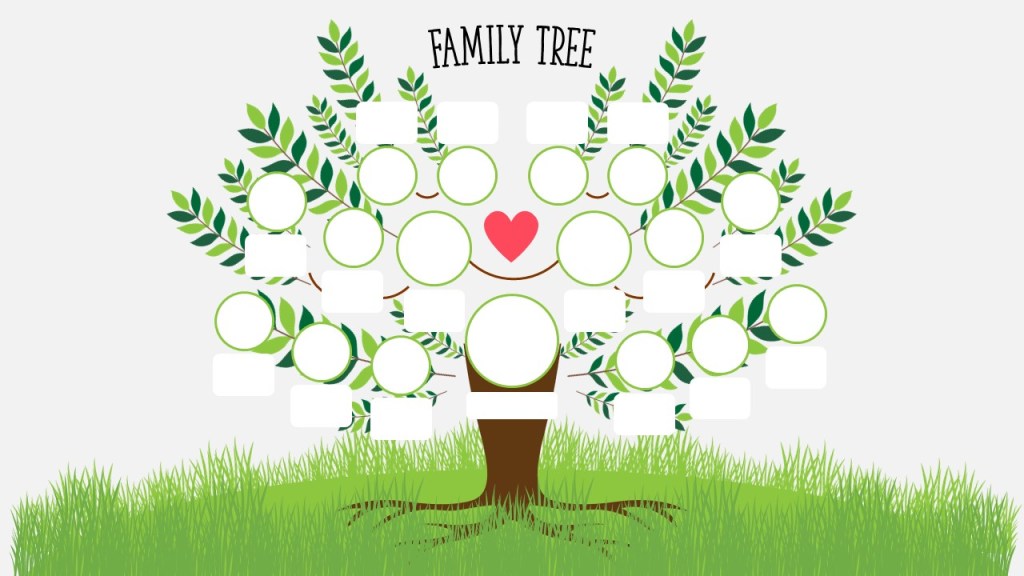
Obviously, more research is needed to explain exactly how spiders use their webs to think, but we do know that humans also use webs to help them think, because a “web” of facts is a commonly used tool for organizing information. For example, a familiar web that most everyone has seen and used is a family tree. When researching your ancestry, a family tree is most helpful in keeping relatives from both parents organized as well as siblings, cousins, aunts, uncles, grandparents great-grandparents, and so on.
When I was a teacher, we taught students to develop concept maps to deepen their understanding. A concept map is a web of bubbles that are connected to a central point and builds outward from it. It’s a type of graphic organizer; that is, a graphic representation or ideas, or a web. There are many types of these graphic organizers. Many templates are available online and lots of apps are available for customizing your own. Here’s one example.
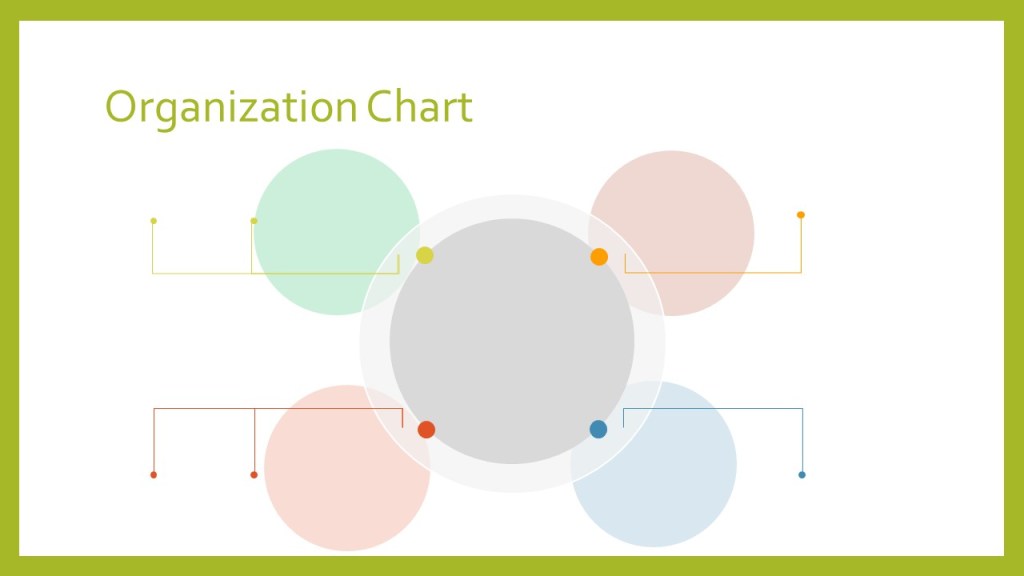
The point of this illustration is to help you visualize a tool for building deep understanding of scripture. You can take a verse or passage and expand on it with various interpretations, definitions, commentary, illustrations, references to similar verses, and your thoughts and questions to help your mind deepen connections and ensure recall.
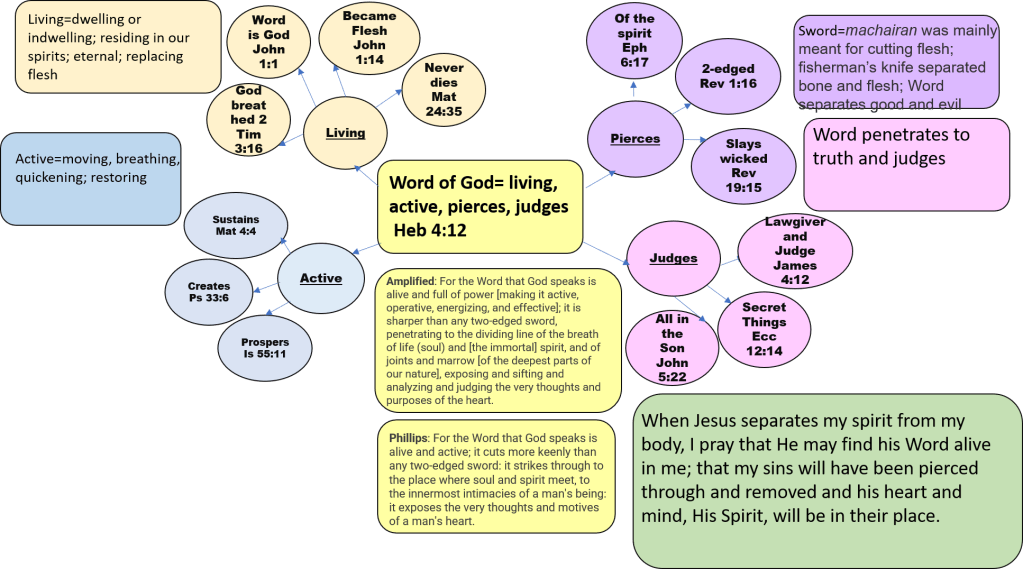
Here’s a concept map of Heb 4:12: “For the word of God is living and active. Sharper than any double-edged sword, it pierces even to dividing soul and spirit, joints and marrow. It judges the thoughts and intention of the heart.” To web this verse, let’s consider how to organize our thoughts. We might highlight some of the key words, such as “living,” “active,” “pierces,” and “judges,” to help us think through how scripture meets these descriptions. We could begin by identifying synonyms or definitions for each word, listing the original word and its translation, finding similar verses since scripture interprets scripture, locating authoritative commentary, and finally, recording our thoughts and questions. A web for this verse, then, might look like this:
Try out this verse for yourself or any verse for which you wish to deepen your understanding. May God grant you a rich and deep and wide window of study!
 From Peggy's Pen